
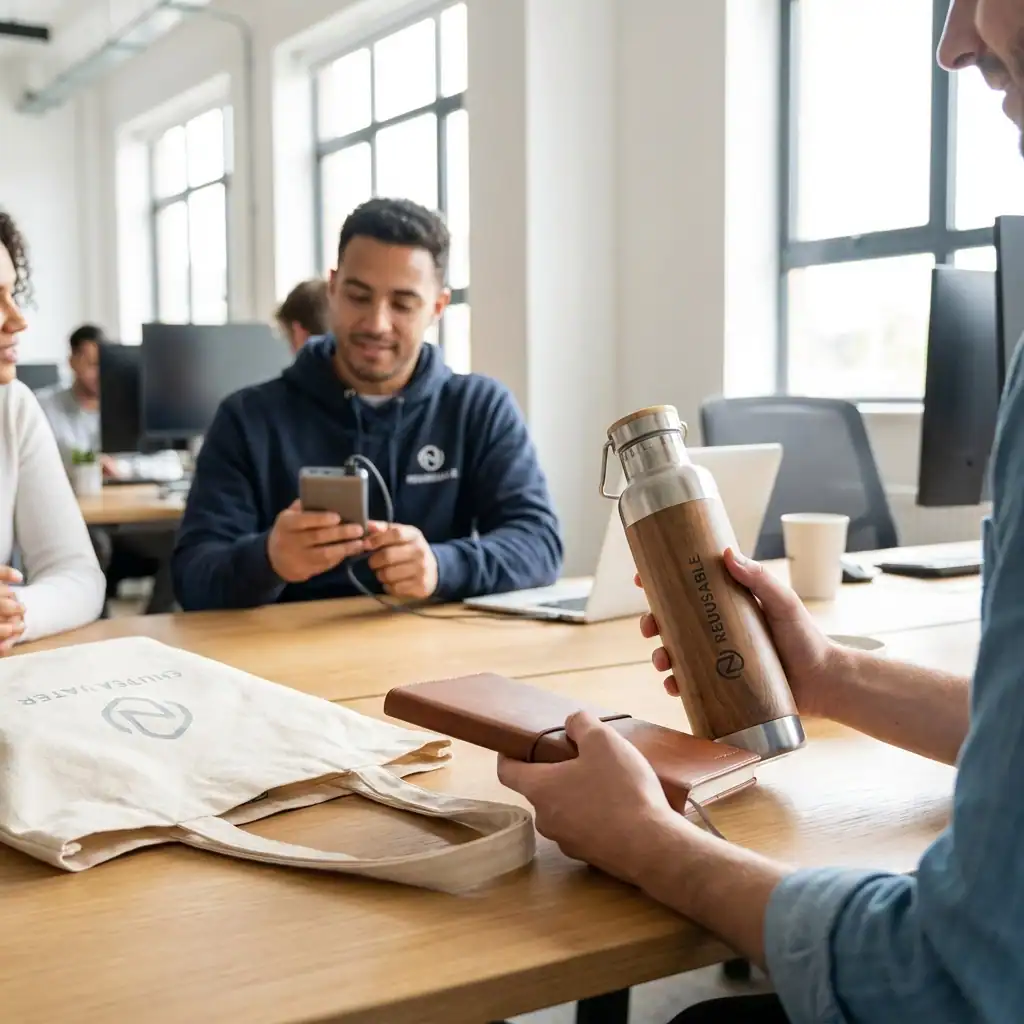
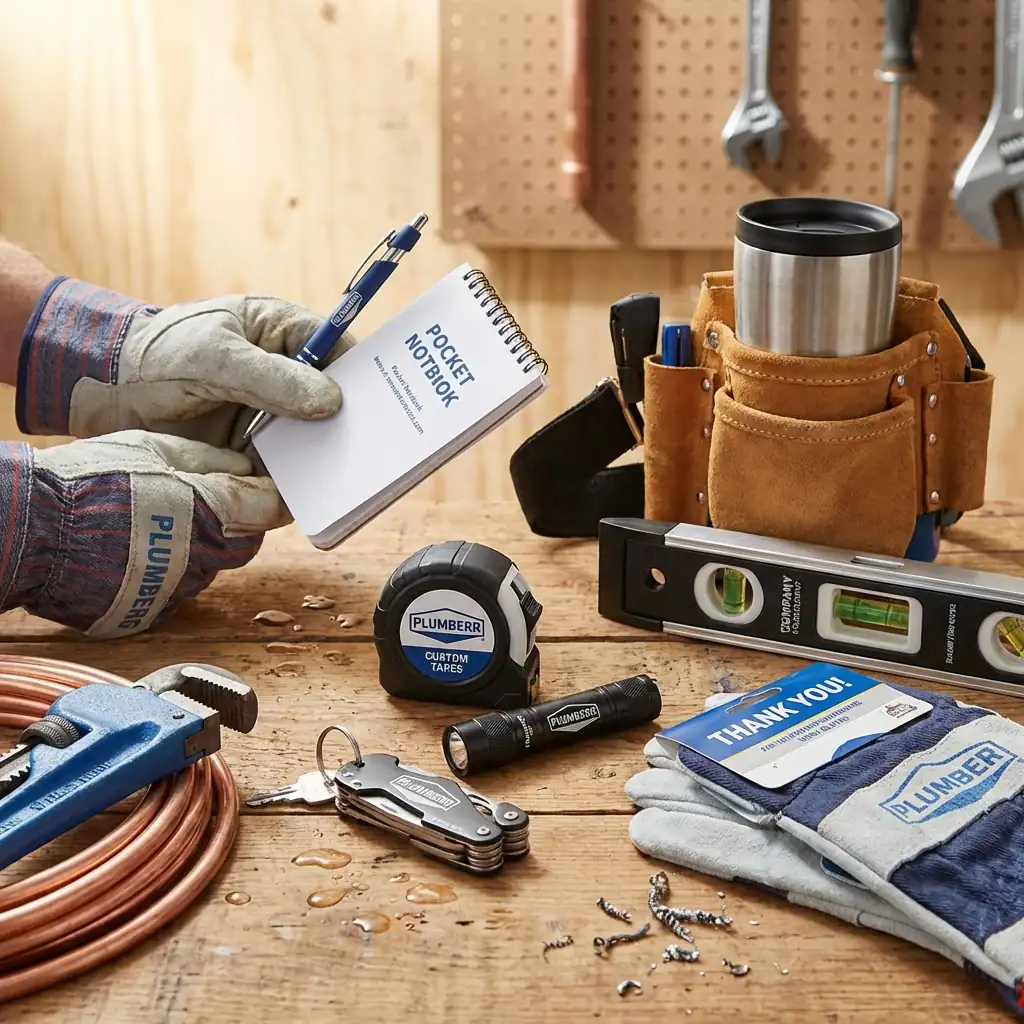
Let’s be honest. Most corporate swag ends up in junk drawers or donation piles.
You spend hundreds or thousands of dollars on branded merchandise, only to watch employees politely accept it and never use it again. That’s not just wasteful: it’s a missed opportunity for ongoing brand exposure.
The secret isn’t spending more money. It’s choosing items people actually want to use every day.
The Utility Test: What Makes Swag Stick Around
Before comparing specific categories, you need to understand the utility test. This simple question determines whether your swag succeeds or fails: “Will this solve a real problem in someone’s daily routine?”
Items that pass this test become part of people’s lives. They generate ongoing impressions as employees use them at home, in the office, and in public spaces.
Items that fail end up forgotten.

Category Showdown: What Actually Gets Used
Apparel: The Consistent Winner
Custom apparel consistently ranks highest for usage and brand impressions. Here’s why it works:
T-shirts and hoodies get worn regularly when they’re comfortable and stylish. Employees wear them for casual Fridays, weekend errands, and gym sessions. Each wear generates multiple brand impressions.
Polos and button-downs work for business casual environments. They become part of someone’s work wardrobe rotation.
Hats and beanies travel everywhere. People grab them for outdoor activities, bad hair days, and casual outings.
The key with apparel is quality and style. Cheap, scratchy shirts get donated. Well-made pieces in popular colors become wardrobe staples.
Drinkware: High Daily Usage Champions
Coffee mugs, water bottles, and tumblers hit the sweet spot of daily necessity and brand visibility.
Coffee mugs sit on desks all day, visible during video calls and meetings. They’re used multiple times daily for months or years.
Water bottles travel to gyms, offices, and outdoor activities. They’re especially powerful because they’re visible in public spaces.
Tumblers and travel mugs combine the best of both worlds: office visibility and public exposure during commutes.
Drinkware succeeds because hydration isn’t optional. People need these items every single day.

Tech Accessories: Problem Solvers
When tech accessories solve real problems, they become indispensable.
Phone accessories like pop sockets, wireless chargers, and phone stands get used constantly. Everyone has phone-related frustrations these accessories can solve.
USB drives and power banks address universal tech needs. They’re shared, borrowed, and noticed by multiple people.
Laptop accessories like mousepads, laptop stands, and cable organizers improve daily work experiences.
The downside? Technology changes quickly. Today’s cutting-edge tech accessory becomes tomorrow’s outdated gadget.
Bags: The Mobile Billboards
Bags excel at brand exposure because they’re visible everywhere people go.
Laptop bags and backpacks accompany people to work, travel, and social activities. They’re seen by hundreds of people weekly.
Tote bags work for shopping, gym sessions, and casual outings. They’re practical for both men and women.
Drawstring bags appeal to younger demographics and work great for events and gyms.
Quality matters enormously with bags. Cheap bags break quickly and reflect poorly on your brand. Well-made bags last for years.
Quality vs. Quantity: The Make-or-Break Decision
Here’s where most companies go wrong. They choose quantity over quality, ordering hundreds of cheap items instead of fewer high-quality pieces.
This backfires spectacularly.
Cheap swag sends a message about your brand standards. It suggests you cut corners and don’t value quality.
High-quality items create positive brand associations. Recipients think “this company cares about quality” every time they use your branded item.
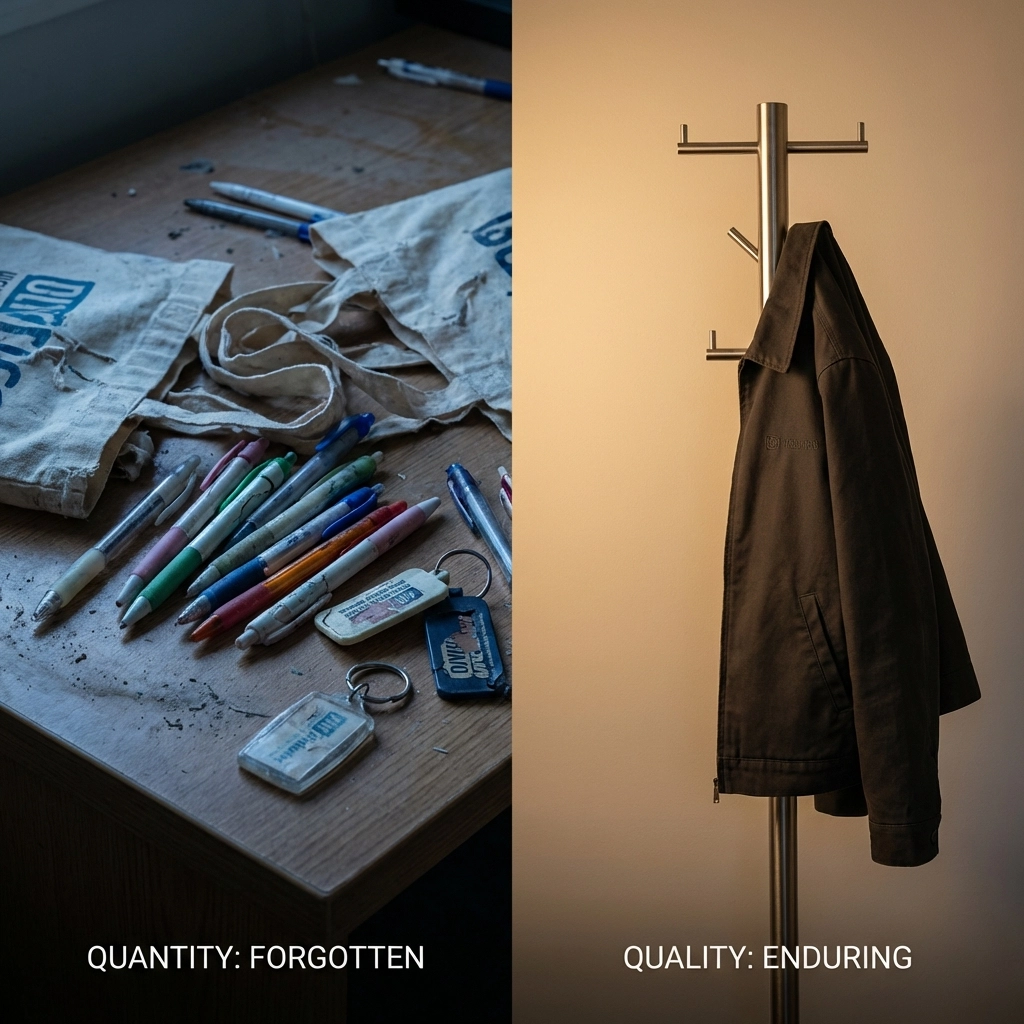
The math works in quality’s favor too. One high-quality item used for two years generates more impressions than ten cheap items used once and discarded.
Decoration Methods That Last
How you apply your branding determines longevity and professional appearance.
Embroidery works best for polos, jackets, and hats. It looks professional, lasts through countless washes, and elevates perceived value. Perfect for corporate environments where appearance matters.
Direct-to-Film (DTF) printing excels for t-shirts, hoodies, and multi-color designs. It reproduces colors beautifully, feels soft against skin, and works great for detailed graphics.
Laser engraving creates permanent branding on drinkware, tech accessories, and metal items. It won’t fade, peel, or wash off.
Avoid methods that crack, peel, or fade quickly. Your brand impression degrades along with the decoration quality.
Industry-Specific Winners
Different industries have different swag sweet spots.
Financial services: Branded wallets, portfolio folders, and executive pens appeal to professional clientele.
Tech companies: High-quality tech accessories, charging stations, and modern apparel resonate with tech-savvy employees.
Healthcare: Practical items like badge reels, lanyards, and comfortable scrub jackets get daily use.
Construction: Durable items like work gloves, safety vests, and insulated drinkware solve real workplace needs.
Match your swag to your industry’s daily realities for maximum usage.

Measuring What Actually Matters
Track metrics that reveal real usage patterns:
Employee feedback surveys asking what items they actually use and why.
Repeat order requests for popular items indicate genuine demand.
Social media mentions when employees organically share photos wearing or using your swag.
Referral tracking through QR codes or custom URLs on swag items.
Don’t just measure distribution. Measure engagement and ongoing usage.
Personalization: The Usage Multiplier
Personal touches dramatically increase usage rates.
Custom names make items feel special and less likely to be shared or discarded.
Department-specific designs create team identity and pride.
Choice options let recipients select items they’ll actually use rather than receiving unwanted items.
Cultural references or inside jokes relevant to your company culture make items more memorable and conversation-worthy.
Personalized items generate emotional connections that generic branded items can’t match.
Common Categories That Consistently Fail
Learn from these common swag mistakes:
Stress balls and fidget toys seem fun but rarely get used long-term.
Cheap pens break quickly and reflect poorly on your brand.
Novelty items like branded bottle openers or keychains provide momentary amusement but little practical value.
One-size-fits-all clothing fits nobody well and gets donated.
Overly specific tech accessories for outdated devices become immediately useless.
Stick to items with proven staying power rather than trendy novelties.
Ready to Choose Swag That Actually Works?
Successful corporate swag comes down to understanding your audience’s daily needs and meeting them with quality solutions.
Focus on utility over novelty. Choose quality over quantity. Prioritize items that solve real problems rather than collect dust.
