
Custom Apparel for Remote Teams: Building Connection in a Digital World
Remember the days when walking into an office meant seeing your company logo on mugs, posters, and maybe even the occasional branded polo shirt? Those visual reminders of belonging seem like distant memories for many of us now. As remote work has transformed from a temporary solution to a permanent reality for millions, companies are discovering that building team connection requires more creativity than ever before.
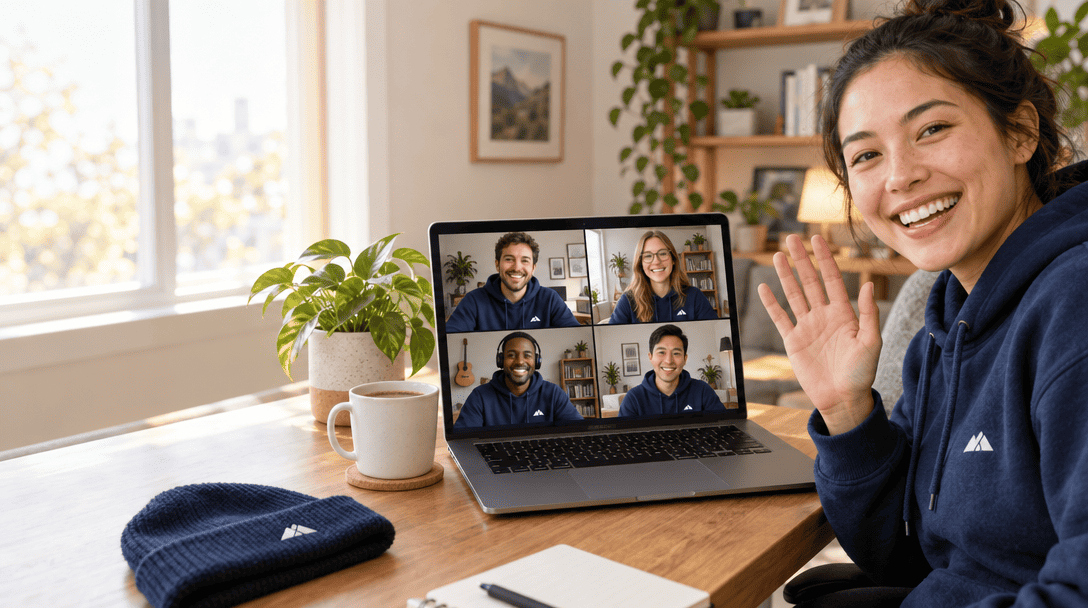
Enter custom apparel – a surprisingly powerful tool that’s helping remote teams bridge the physical gap and create genuine connections. It might sound simple, but there’s something magical about opening your laptop for a video call and seeing three colleagues wearing the same company hoodie from their respective home offices in different time zones.
The Psychology Behind Custom Team Apparel
Why does wearing matching clothes make such a difference? The answer lies deep in human psychology. When we wear clothing that represents our group identity, we experience what researchers call “enclothed cognition” – the systematic influence that clothes have on our thoughts, feelings, and behaviors.
For remote workers, custom apparel serves as a physical anchor to their team and company culture. It’s a daily reminder that they’re part of something bigger, even when working alone from their kitchen table or home office. This psychological boost can significantly impact employee engagement and job satisfaction.
Think about it from a practical standpoint too. When Sarah from accounting joins the morning standup wearing her company t-shirt, and Mike from marketing is sporting the same design, there’s an instant visual connection that transcends the digital barrier of their screens. It’s subtle but powerful – a shared identity that makes virtual interactions feel more personal and authentic.
Types of Custom Apparel That Work Best for Remote Teams
Not all custom apparel is created equal, especially when it comes to remote work environments. The key is choosing items that people actually want to wear – both on camera and off.
Hoodies and sweatshirts top the list for good reason. They’re comfortable enough for all-day wear, professional enough for video calls, and cozy enough to make working from home feel special. Plus, they’re perfect for those chilly home offices or when the air conditioning is running a bit too cold.
High-quality t-shirts remain a staple, but focus on premium materials and thoughtful designs. Your team will appreciate shirts they can wear beyond work hours – to the grocery store, on weekend walks, or while working out. This extends your brand’s reach while giving employees clothing they genuinely enjoy wearing.
Don’t overlook accessories either. Custom hats, beanies, and even branded socks can add personality to video calls while being practical for everyday life. One company I know sends out seasonal accessories – summer caps, winter beanies, and cozy scarves – which keeps the excitement fresh throughout the year.
Creating Designs That Resonate with Remote Workers
The design phase is where many companies stumble. Your remote team’s custom apparel shouldn’t look like a walking billboard – it should feel like something they’d choose to wear even if they didn’t work for your company.
Start by understanding your team’s aesthetic preferences. Are they drawn to minimalist designs, bold graphics, or something in between? Consider surveying your team or creating a few design options and letting them vote. This participatory approach not only ensures you’ll create something people love but also builds excitement around the initiative.
Color psychology plays a crucial role too. While your brand colors are important, think about how they’ll look on camera and in various lighting conditions. Darker colors often photograph better on video calls, while lighter colors can wash out or create unflattering contrasts.
Remember that remote workers often appreciate subtlety. A small, tastefully placed logo might be more appealing than a large, prominent brand name. Many successful remote teams opt for designs that insiders recognize but don’t scream “corporate apparel” to the outside world.
Practical Benefits Beyond Team Building
While the connection aspect is powerful, custom apparel offers practical advantages that make it a smart investment for remote teams. Professional appearance on video calls becomes effortless when your team has a go-to collection of branded clothing that looks polished and put-together.
This is particularly valuable for client-facing roles. Instead of scrambling to find appropriate attire for unexpected video calls, team members can rely on their custom apparel to maintain a consistent, professional appearance. It’s like having a uniform without the rigidity of traditional corporate dress codes.
Custom apparel also serves as a conversation starter. When team members wear their company gear in public, it can lead to organic marketing opportunities and networking moments. It’s word-of-mouth marketing in its most authentic form.
From a practical standpoint, providing quality clothing reduces decision fatigue for your team members. Having a reliable wardrobe of comfortable, appropriate work clothes eliminates the daily question of “what should I wear for video calls today?”
Implementation Strategies for Maximum Impact
Rolling out a custom apparel program requires more strategy than simply ordering shirts and mailing them out. The most successful programs treat the launch as an event, not just a delivery.
Consider timing your apparel launch with a significant company milestone, the start of a new quarter, or even a virtual team-building event. Create anticipation by teasing the designs on internal communications or during team meetings. When the packages arrive, encourage team members to share photos on internal channels or social media.
Size inclusivity is absolutely crucial. Ensure your apparel range covers all body types and preferences within your team. This might mean offering a wider size range than you initially planned or providing different fit options for the same design. Nothing undermines a unity initiative quite like making team members feel excluded.
Think beyond the initial launch too. Successful programs evolve with seasons, company milestones, or team achievements. Limited edition designs for project completions or anniversary celebrations can maintain excitement and give team members reasons to proudly wear their company apparel.
Measuring Success and ROI
How do you know if your custom apparel investment is paying off? Start by tracking engagement metrics during video calls. Are more team members turning their cameras on? Do meetings feel more energetic and connected?
Employee satisfaction surveys can provide valuable insights too. Ask specific questions about how the apparel makes them feel about their connection to the team and company. You might be surprised by the emotional responses you receive.
Pay attention to organic social media mentions as well. When employees voluntarily post photos wearing their company apparel, that’s a strong indicator that the program is resonating. These authentic posts are worth their weight in gold from a marketing perspective.
Consider the retention benefits too. While it’s difficult to attribute retention solely to apparel programs, companies with strong remote culture initiatives, including custom apparel, often see improved employee loyalty and reduced turnover costs.
Common Pitfalls to Avoid
Even well-intentioned custom apparel programs can miss the mark. The biggest mistake is treating it as a one-size-fits-all solution without considering your team’s preferences and lifestyle.
Quality matters more than quantity. It’s better to provide one high-quality hoodie that team members love and wear regularly than five cheap t-shirts that end up in donation bags. Your team will notice the difference, and it reflects on your company’s values.
Don’t forget about international team members. Shipping costs and customs regulations can make global distribution challenging, but excluding remote workers based on location defeats the purpose of building connection. Budget for these additional costs upfront or find creative solutions like partnering with local suppliers in different regions.
Avoid making apparel wearing mandatory or creating pressure around participation. The goal is to foster connection, not compliance. Some team members might prefer not to wear branded clothing, and that’s perfectly okay.
The Future of Remote Team Connection
As remote work continues to evolve, so will the strategies for building team connection. Custom apparel is just one piece of the puzzle, but it’s a surprisingly effective one that addresses both practical and emotional needs.
The most successful remote teams understand that connection happens through multiple touchpoints – shared experiences, common goals, and yes, even shared clothing. When done thoughtfully, custom apparel becomes more than just branded merchandise; it becomes a symbol of belonging in an increasingly digital world.
Whether your team is fully remote, hybrid, or planning for future flexibility, investing in custom apparel shows your commitment to maintaining team unity regardless of physical distance. It’s a small gesture with potentially big returns in team morale, company culture, and employee satisfaction.
In a world where we’re all learning to work differently, sometimes the simplest solutions are the most profound. A comfortable hoodie with your company logo might just be the thread that keeps your remote team woven together.
Frequently Asked Questions
How much should companies budget for custom apparel for remote teams?
Budget typically ranges from $50-150 per employee annually, depending on the quality and quantity of items. Start with 2-3 high-quality pieces per person and adjust based on team feedback and program success.
What’s the best way to determine sizing for remote team members?
Send detailed size charts and consider offering multiple fit options (regular, slim, relaxed). Many companies also provide size samples or partner with vendors who offer easy exchanges to ensure proper fit.
How often should we refresh our custom apparel designs?
Most successful programs introduce new items 2-3 times per year, often tied to seasons or company milestones. This keeps excitement fresh while allowing team members to build a wardrobe of pieces they love.
Should custom apparel be mandatory for video calls?
No, making apparel mandatory can backfire and create resentment. Instead, focus on creating designs people genuinely want to wear and let participation happen naturally. The goal is connection, not compliance.
How can we include international remote workers in our apparel program?
Partner with international suppliers, budget for higher shipping costs, or provide stipends for team members to purchase locally. Some companies also time international shipments with business travel to reduce costs.
What metrics should we track to measure the program’s success?
Monitor video call engagement, employee satisfaction scores, retention rates, and organic social media mentions. Also track practical metrics like how often team members wear the apparel during calls and their feedback on quality and design.
Call 972-737-9724 to get a quote
