
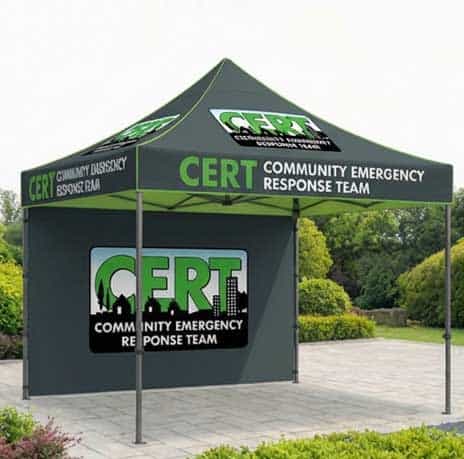
Walking through the bustling aisles of a trade show can feel overwhelming. Hundreds of booths compete for attention, each trying to capture those precious few seconds when potential customers decide where to stop. Your custom canopy isn’t just shelter—it’s your silent salesperson, your brand ambassador, and often the first impression that makes or breaks a potential business relationship.
After helping countless businesses transform their trade show presence over the years, I’ve learned that success isn’t just about having an eye-catching design. It’s about strategic planning, smart setup techniques, and understanding the psychology of trade show attendees. Whether you’re a seasoned exhibitor or preparing for your first show, this comprehensive guide will help you maximize every square foot of your booth space and turn casual passersby into qualified leads.
Pre-Show Planning: Setting the Foundation for Success
The magic of a successful trade show booth happens long before you arrive at the venue. Smart exhibitors know that preparation is everything, and your custom canopy setup should align perfectly with your overall marketing strategy.
Start by researching your specific trade show environment. Not all venues are created equal—some have high ceilings that accommodate towering displays, while others have strict height restrictions. Indoor shows offer controlled lighting conditions, but outdoor events present unique challenges with wind, sun, and weather considerations that can dramatically affect your canopy’s performance.
Consider your target audience’s behavior patterns. Are they technical professionals who appreciate detailed product specifications, or are they decision-makers who respond better to bold, emotional messaging? Your canopy design should speak their language from the moment they spot your booth across the crowded exhibition hall.
Budget allocation is another crucial factor that many exhibitors overlook. While it’s tempting to spend everything on a stunning canopy design, remember to reserve funds for proper lighting, flooring, and interactive elements that complement your overhead display. A balanced approach ensures every component works together harmoniously.
Design Elements That Drive Engagement
Your custom canopy serves as a massive billboard suspended above your booth, but unlike traditional advertising, it needs to work in three dimensions. The most effective designs incorporate multiple viewing angles, ensuring your message remains clear whether someone approaches from the front, sides, or even from elevated positions like second-floor walkways.
Color psychology plays a significant role in trade show success. Bold, contrasting colors help your booth stand out in peripheral vision, while your brand colors maintain consistency with your overall marketing materials. However, avoid the common mistake of using too many colors—stick to a primary palette of three to four colors maximum to maintain visual coherence.
Typography choices can make or break your canopy’s effectiveness. Remember that most attendees will first see your booth from 20-30 feet away. Your main headline should be readable from this distance, which typically means using fonts no smaller than 4-6 inches tall. Secondary information can be smaller, but always prioritize readability over decorative flourishes.
Incorporating your logo strategically across the canopy ensures brand recognition from multiple angles. However, resist the urge to make your logo the dominant element—instead, use it to reinforce your primary message and create visual anchors that guide the eye through your design.
Strategic Placement and Positioning Techniques
The positioning of your custom canopy can dramatically impact its effectiveness, even within the constraints of your assigned booth space. Most exhibitors simply center their canopy over their booth, but strategic placement can create more dynamic sight lines and better traffic flow.
Consider angling your canopy slightly if your booth configuration allows it. This technique, borrowed from retail merchandising, creates visual depth and can make your booth appear larger while improving visibility from key traffic corridors. Even a 15-degree angle can significantly improve your booth’s presence in crowded exhibition halls.
Height variations add visual interest and help your booth stand out from the sea of uniform displays. If regulations permit, consider incorporating elements at different elevations—perhaps a higher central section with lower wings, or graduated heights that create a dynamic silhouette against the venue’s ceiling.
Lighting integration should be planned during the positioning phase, not added as an afterthought. Strategic canopy placement can help you maximize the impact of both ambient venue lighting and your supplemental lighting systems. Consider how shadows will fall throughout the day and position your canopy to minimize unflattering dark spots on key design elements.
Lighting Solutions for Maximum Visual Impact
Proper lighting can transform a good custom canopy into an exceptional one. Trade show venues often have inconsistent lighting conditions—bright in some areas, dim in others—and your booth needs to look spectacular regardless of its location.
LED strip lighting has revolutionized canopy illumination, offering energy-efficient, customizable solutions that were impossible just a few years ago. These systems can be integrated directly into your canopy frame, creating even illumination across your entire display surface. The ability to adjust color temperature and intensity gives you unprecedented control over your booth’s ambiance.
Backlighting techniques can make your graphics appear to glow, creating an almost magical effect that draws attendees from across the exhibition hall. This approach works particularly well with translucent or semi-transparent canopy materials, creating depth and dimension that flat displays simply cannot achieve.
Spotlighting key elements of your canopy design helps create visual hierarchy and guides attendees’ attention to your most important messages. Use focused beams to highlight special offers, new product announcements, or call-to-action elements that drive specific behaviors.
Don’t forget about power requirements and safety considerations. Plan your electrical needs carefully and always use professional-grade equipment rated for commercial use. Many trade shows have strict electrical codes, and amateur installations can result in costly delays or booth shutdowns.
Interactive Elements and Technology Integration
Modern trade show attendees expect more than static displays. Integrating interactive elements with your custom canopy creates memorable experiences that generate qualified leads and meaningful conversations.
Digital displays mounted within or alongside your canopy framework can showcase dynamic content that changes throughout the show. Consider rotating testimonials, product demonstrations, or real-time social media feeds that keep your booth feeling fresh and current. The key is ensuring these digital elements complement rather than compete with your primary canopy messaging.
QR codes strategically placed on your canopy can bridge the gap between physical and digital engagement. When positioned at eye level and accompanied by clear calls-to-action, these codes can drive traffic to exclusive content, special offers, or lead capture forms that continue the conversation after the show ends.
Interactive projection mapping represents the cutting edge of canopy enhancement. This technology can transform your static canopy into a dynamic, responsive surface that reacts to attendee presence or input. While more complex and expensive, projection mapping creates unforgettable experiences that generate significant social media buzz.
Consider incorporating physical interactive elements as well. Touch-sensitive panels, motion sensors, or even simple mechanical elements can encourage attendees to engage directly with your canopy display, creating tactile experiences that reinforce your brand message.
Setup Day Best Practices
Even the most beautifully designed custom canopy can fall flat if the setup process goes wrong. Successful exhibitors treat setup day as a critical component of their overall trade show strategy, not just a logistical necessity.
Arrive early and bring a comprehensive toolkit. Trade show venues can be chaotic during setup periods, and having your own equipment ensures you’re not dependent on borrowed tools or delayed vendor services. Include backup fasteners, additional lighting elements, and emergency repair materials in your setup kit.
Document your setup process with photos and detailed notes. This documentation becomes invaluable for future shows, especially if you’re using temporary staff or working with new venue partners. Create a step-by-step setup guide that anyone on your team can follow, reducing stress and ensuring consistency across multiple events.
Test all systems thoroughly before the show opens. This includes lighting sequences, digital displays, interactive elements, and even basic structural integrity. What looks perfect in your warehouse might behave differently in the unique environment of a trade show venue.
Plan for contingencies and have backup solutions ready. Weather can affect outdoor shows, shipping delays can impact indoor events, and technical difficulties can arise at any time. Experienced exhibitors always have Plan B (and sometimes Plan C) ready to implement if needed.
Measuring Success and ROI
Your custom canopy investment deserves proper measurement and analysis. Too many exhibitors focus solely on immediate lead generation while overlooking other valuable metrics that indicate long-term success.
Track booth traffic patterns and dwell time to understand how effectively your canopy attracts and retains attention. Simple observation and note-taking can reveal valuable insights about which design elements work best and which might need adjustment for future shows.
Monitor brand awareness metrics through pre- and post-show surveys. Your canopy’s primary job is often building brand recognition rather than immediate sales, and measuring awareness changes helps quantify this important but often overlooked benefit.
Calculate cost-per-lead and cost-per-qualified-lead to understand your canopy’s direct contribution to sales pipeline development. Compare these metrics across different shows and canopy configurations to optimize your investment over time.
Don’t forget to measure social media engagement and user-generated content. A striking canopy design often generates organic social sharing that extends your trade show reach far beyond the physical venue boundaries.
Wrapping Up: How Custom Canopies Drive Trade Show Success
Your custom canopy represents far more than overhead decoration—it’s a powerful marketing tool that can dramatically influence your trade show success. From initial design concepts through final setup and measurement, every decision should align with your broader marketing objectives and audience expectations.
Remember that trade show success is rarely about a single element working in isolation. Your canopy must integrate seamlessly with your booth design, staff training, promotional materials, and follow-up processes to create a cohesive experience that resonates with potential customers long after they leave the exhibition hall.
The investment in a well-designed, strategically implemented custom canopy pays dividends across multiple shows and years of use. Take time to plan carefully, execute professionally, and measure thoroughly. Your future trade show success depends not just on having a great product or service, but on presenting it in a way that cuts through the noise and connects with the people who matter most to your business.
Frequently Asked Questions
How much should I budget for a custom canopy setup?
Custom canopy costs vary widely based on size, materials, and complexity, typically ranging from $2,000 to $15,000 for most trade show applications. Factor in additional costs for lighting, installation, and transportation when planning your budget.
What’s the ideal height for a trade show canopy?
Most trade shows allow canopy heights between 8-12 feet, but always check specific venue regulations. Higher isn’t always better—ensure your canopy height is proportional to your booth size and doesn’t overwhelm your space.
Can I reuse my custom canopy for different trade shows?
Absolutely. Well-designed custom canopies are built for multiple uses and can last for years with proper care. Choose modular designs and timeless graphics to maximize reusability across different events and venues.
How do I ensure my canopy complies with fire safety regulations?
Always use fire-retardant materials and work with reputable suppliers who understand trade show regulations. Request certificates of compliance and keep documentation readily available during setup and throughout the show.
What’s the best way to transport a custom canopy?
Professional shipping cases designed for trade show materials offer the best protection. Many canopy manufacturers offer custom cases as part of their packages. Plan shipping timelines carefully and always have tracking information readily available.
How can I make my canopy stand out in a crowded trade show?
Focus on bold, contrasting colors, clear messaging visible from a distance, and unique structural elements that create visual interest. Consider interactive features or lighting effects that draw attention without being disruptive to neighboring booths.
Call 972-737-9724 to get a quote
